
We’re answering questions about grout!
If you’ve ever walked into a shower and seen cracked grout, missing joints, or powdery lines, it’s not random—and it’s definitely not just “normal wear and tear.”
Grout failure is almost always a symptom of something underneath or a shortcut taken during install. Let’s break down the most common causes we’ve seen in the field!
1) Cheap Grout = Weak Grout

Not all grout is created equal.
Lower-end grouts typically will have less polymer content, are more porous and lack flexibility and strength
What that means in the real worlds that they absorb more water, break down faster and can’t handle movement or thermal changes as well as premium grout.
In a shower environment—where you’ve got constant moisture, temperature swings, and daily use—that cheaper grout doesn’t stand a chance long term.
You might save a few bucks upfront, but you have to ask yourself… is it worth in the long run?
2) Plane Changes (Where Walls Meet)
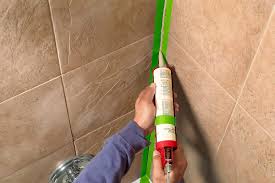
This is one of the most common—and most misunderstood—issues.
Anywhere you have a change of plane, like: wall to wall corners, wall to floor transitions, inside corners of niches
…those areas are supposed to move independently.
Grout is rigid. It doesn’t flex.
So when you grout those joints instead of using a flexible sealant (like silicone), here’s what happens: The structure moves slightly (it always does) the grout takes the stress, it cracks or pops out!
That Tile Chick reminded us of that in this video. Ouch!
That’s why industry standards call for flexible sealant at all plane changes, especially in wet areas like showers.
3) Movement (Walls Flexing, Structure Shifting)

Tile and grout don’t fail on their own—movement causes failure. And everything moves!
In showers, movement can come from.
Wall framing flex (especially on exterior walls), Improperly fastened backer board, Deflection in subfloors or framing.
House settling over time
Even small amounts of movement matter. Tile is rigid, grout is rigid—so when something shifts:
Grout cracks first (it’s the weakest link), then tiles can loosen if it continues.
A lot of people think, “It’s just grout, I’ll re-grout it.” But if the underlying movement isn’t addressed, it will keep coming back.
Grout failure is often an early warning sign, not the root problem.
4) Poorly Mixed Grout (Shrinkage Issues)
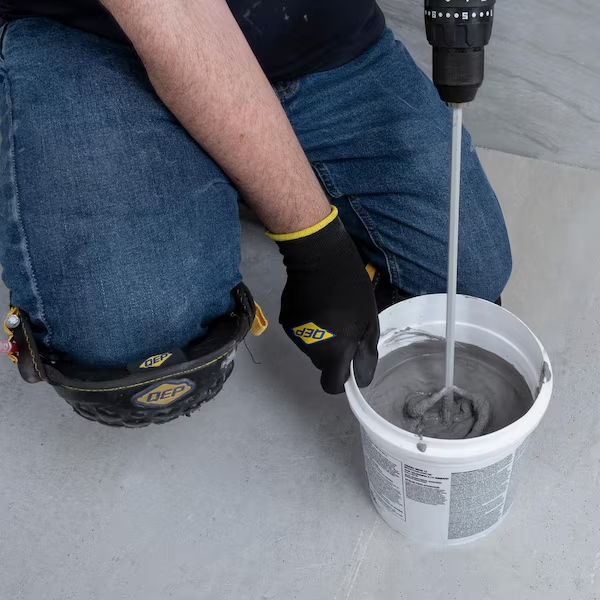
This one comes down to craftsmanship. If grout is mixed incorrectly, you can get:
Too much water ? weak structure, excessive shrinkage. Too dry ? poor bonding and incomplete hydration.
When grout shrinks too much as it cures:
It pulls away from tile edges, It creates hairline cracks, It leaves joints vulnerable to moisture.
You’ll often see cracks running along the edges of tiles, grout that looks “sunken” or recessed
Proper mixing isn’t just “add water and stir”— you have to be mindful of your rations, your slake time and color consistency, which comes from having the same grout from the same batch, same manufacturer and supplier.
If you’re not careful of these things the grout can fail before the shower is even broken in. NO BUENO!
5) Non-Premium Grout (Even If It’s Not “Cheap”)
There’s a difference between budget grout and non-premium grout.
Even mid-tier grout can struggle in showers if it’s not highly polymer-modified, not designed for wet environments, lacking stain and moisture resistance
Premium grouts (like high-performance cement grouts or single-component options) are engineered to resist cracking and handle slight movement better. They also maintain color consistency better!
In a high-use area like a shower, that upgrade matters more than people think.
It doesn’t mean that premium grout will guarantee you perfect results. Check out this article by the grit and polish where they break down an instance where they had a color issue with epoxy grout. Really fascinating stuff!
https://www.thegritandpolish.com/blog//epoxy-grout-color-variation-what-went-wrong
The Bottom (grout) Line
When grout cracks or loosens in a shower, it’s usually not just one issue—it’s a combination of factors ranging from material quality, installation technique, structural movement, environmental stress.
As we’ve said before:
Grout is not a structural component.
It’s a finish material. If something behind it is wrong, the grout is going to show it first.
If You’re Seeing Cracked or Loose Grout…
Before jumping straight to a re-grout, ask: Are the corners grouted instead of caulked? Is there movement in the walls or floor? Was the right grout used in the first place?
Fixing the symptom without addressing the cause usually just means you’ll be doing it again in a few months.
If you’ve noticed some issues with your grout lines and think it’s time to redo it, let us know! We’d be happy to help.
Thank you for reading!
Here’s another article where we breakdown common grouting mistakes.