
We came across a Tik Tok video in which they put together a shower shelf out of tiles Watch our reaction here.
While we recommend using schluter shelves in showers, we have done tile shelves in the past, and would like to break it down the method for you.
So, the focus of this article is: Schluter Shelf vs Tile Shelf, which one should you do and why?
What’s the process of installing a tile shower shelf?

Read this article that explains the process in detail.
The process for installing a tiled corner shower shelf starts with choosing the shelf location and tiling the shower walls up to that height. A marble or stone tile is then measured and cut into two matching triangular pieces using a wet saw. The two pieces are bonded together with thinset to create a thicker, sturdier shelf.
Next, thinset is applied to the shower corner, and the shelf is embedded between the surrounding wall tiles so it’s mechanically supported instead of simply glued onto the surface. Installers usually pitch the shelf slightly downward toward the shower so water drains properly. Additional tiles are cut and installed above the shelf to lock everything into place and maintain the grout pattern.
After the shelf cures, the front edge can be finished with mosaic trim, bullnose, or metal edging. The final steps are grouting or caulking the corners, sealing natural stone if needed, and allowing everything to fully dry before use.
when should you install a tile shelf in your shower?
A custom tiled corner shelf can be more convenient than prefabricated options like Schluter shelves in a few specific situations.
If you’re looking for design flexibility you might consider doing this. A tiled shelf can be made from the same material as the shower tile, curb, threshold, or niche, which creates a more seamless and high-end appearance.
This is especially popular in luxury showers, natural stone installations, or projects where homeowners want the shelf to “disappear” into the design instead of standing out as a metal accessory.
They’re also useful when the shower layout is unusual. Since the shelf is fabricated on-site, the installer can customize the exact size, angle, thickness, and corner fit.
Another advantage is timing during installation. A floating tile shelf can often be integrated while the walls are already being tiled, using leftover material from the project. In some cases, that means the installer doesn’t need to special-order a shelf or wait for matching finishes.
The tradeoff is that custom tiled shelves usually take more labor. They require cutting, polishing or finishing edges, proper pitch for drainage, and careful waterproof integration. If they’re not built correctly, water can sit on the shelf or penetrate weak points over time.
In higher-end custom showers, many installers still prefer tiled corner shelves because they look more integrated and upscale when executed properly.
What about schluter shelves?
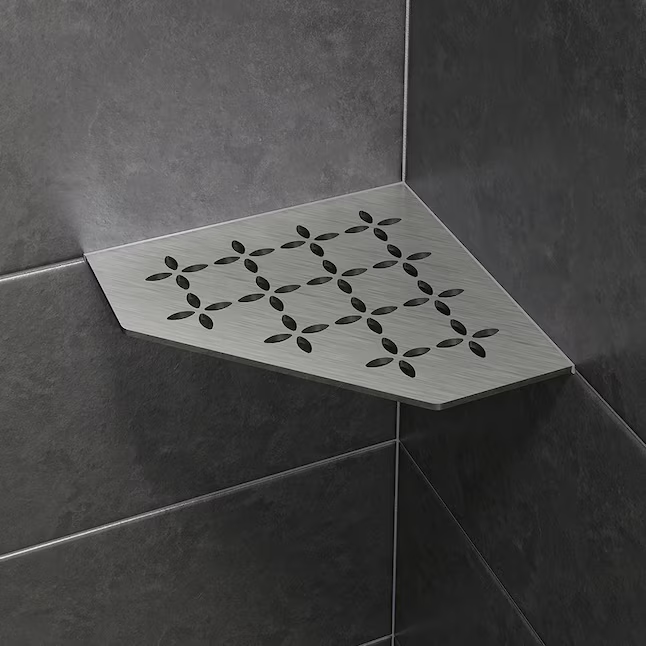
Using prefabricated corner shelves like those from Schluter is generally more convenient in situations where speed, consistency, and reliability matter more than full customization.
They tend to make the most sense when:
1. You want faster installation
A Schluter shelf is factory-made and simply embeds into the tile assembly. There’s no cutting stone, laminating pieces, or fabricating angles on site. That saves a noticeable amount of labor time, especially in production-style work or remodels on a tight schedule.
2. Consistency and predictability matter
Because the shelf is engineered, you get uniform thickness, slope, and drainage behavior every time. There’s less variability compared to a hand-built stone shelf, which depends heavily on installer skill.
3. You’re working with modern tile systems
In showers using full waterproofing systems (like foam boards, membranes, and metal trims), Schluter shelves integrate cleanly without disrupting the system. They’re designed to tie into those assemblies without extra fabrication steps.
4. You want reduced risk of failure points
A factory shelf eliminates a few common weak spots of custom builds—like lamination seams, edge chipping, or improper pitch. Once installed correctly, there’s less chance of water pooling or edge breakdown.
5. You can match the shower shelf to other elements such as the line drain.
You can get a drain from schluter that will exactly match the design patterns of your shelf, creating another element of cohesion in your shower.
In conclusion:
In short, Schluter shelves are usually the better choice when efficiency, system compatibility, and installation speed outweigh the desire for a fully custom, stone-matched detail.
A shelf is one part of a coordinated room. For your bathroom remodel in Englewood or Southwest Florida, compare storage, tile, grout, and metal finishes together. See our guided shower remodeling process if you are starting with the shower.
We’d love to hear your thoughts!
Do you prefer tile shelves, or schluter shelves? or a completely different option?
Follow us on social media to keep the conversation going!
That’s exactly right – One could be going for classic / timeless. Then a polished Carrara or Travertine would fit beautifully.
Great topic. Choosing between a traditional tile corner shelf and a modern Schluter shelf comes down to whether you want your shelving to blend seamlessly into the walls or stand out as a sleek, contemporary accent.