
Mold in a shower is frustrating.
You scrub it. You spray it. You clean the grout. It looks better for a little while, and then somehow, it comes right back.
That is why Ed’s answer in the video is funny — but also pretty honest.
When people ask him, “How do I stop the mold?” his answer is:
“Don’t use your shower.”
Of course, that is not exactly helpful if you want to actually shower in your shower. But his point is important: mold is usually not just a cleaning problem. A lot of the time, it is a water problem.
More specifically, it is a trapped water problem.
Mold Needs Moisture
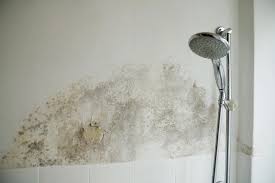
Mold does not show up for no reason.
If a shower keeps growing mold, staying damp, smelling musty, or showing dark staining around the floor and drain area, the question should not only be, “What cleaner should I use?”
The bigger question is, “Why is this area staying wet?”
In many older shower systems, water can get below the tile and into the mortar bed. Once that happens, the system depends on that water eventually finding its way out.
And that is where problems can start.
The Problem With Older Shower Systems
Traditional shower systems are sometimes called water-in/water-out systems.
The idea is that water gets through the tile and grout, travels down into the mud bed, reaches the liner, and then escapes through small openings in the drain called weep holes.
In theory, the water gets in and then the water gets out.
But in real life, that does not always happen as cleanly as it sounds.
The mud bed can hold moisture. Weep holes can clog. The slope may not be right. Debris, mortar, or buildup can block the drainage path. And when that water cannot escape, it sits under the shower floor.
That trapped water creates the kind of damp environment where mold, mildew, staining, and odors can become a constant battle.
So when Ed says, “Don’t use your shower,” he is pointing out the real issue: if the shower system is designed in a way that allows water to stay trapped underneath, then every shower you take keeps feeding the problem.
Cleaning Mold Does Not Fix Trapped Water
Cleaning is important. Nobody is saying you should ignore regular shower maintenance.
But cleaning only deals with what you can reach.
If the moisture problem is underneath the tile, scrubbing the surface will only do so much. You may remove the visible mold for a little while, but if the shower floor is still holding water below the surface, the issue can keep coming back.
That is why waterproofing matters so much.
A shower should not be built in a way that lets water soak deep into the floor and then hopes it eventually finds a tiny path out.
To us, that is asking for trouble.
What Schluter Shower Pans Do Differently
This is one of the reasons MannTile prefers Schluter shower systems.
With a Schluter shower pan, the waterproofing is brought much closer to the surface of the shower. Instead of having a deep mortar bed underneath the tile that can absorb and hold moisture, the Schluter system uses a waterproof shower pan and membrane system designed to direct water toward the drain.
The pan is already sloped, so water has a clear path to move where it is supposed to go. The waterproofing layer is directly under the tile assembly, which means water is not traveling deep into a mud bed and sitting there.
That is the big difference.
The goal is not to manage trapped water after the fact.
The goal is to reduce the opportunity for water to become trapped in the first place.
The Drain and Pan Work Together
A shower pan is not just the thing under the tile.
It is part of the drainage system.
With Schluter, the pan, waterproofing membrane, and drain are designed to work together. Water that gets through the tile layer reaches the waterproofing layer and is directed toward the drain.
That is a much different approach than relying on water to soak down through a mortar bed and hopefully escape through weep holes.
We would rather keep the shower assembly drier from the beginning than build a system that depends on hidden water finding its way out later.
Less Trapped Water Means Fewer Mold Conditions
No shower system removes the need for normal cleaning and ventilation.
Bathrooms still need airflow. Showers still need to be maintained. Soap residue, shampoo, body oils, and humidity can all contribute to surface mold if the space is not cared for.
But there is a big difference between normal surface maintenance and a shower floor that stays wet underneath.
Schluter pans help address one of the biggest causes of recurring shower problems: moisture trapped below the tile.
When water is controlled closer to the surface and directed toward the drain, the shower has a better chance to dry out properly.
And a shower that dries out properly is much less inviting to mold.
Our Take
Ed’s “don’t use your shower” answer makes people laugh, but it gets to the heart of the issue.
If mold is caused by trapped water, then the real solution is not just better cleaning.
The real solution is building the shower so water does not get trapped in the first place.
That is why we use Schluter shower pans and waterproofing systems. They help keep the waterproofing closer to the surface, direct water toward the drain, and avoid the old water-in/water-out approach that can leave moisture sitting under the tile.
A shower should be built for water.
Not built to trap it.
Because when water gets trapped, mold is usually not far behind.
Thank You For Reading!
if you liked this article, we think you might enjoy this one.
Stay up to date on all things tile!
please consider subscribing to catch our latest articles before anyone else!