
Waterproofing can make or break a shower…
If you’ve been in the tile world long enough, you’ve seen some weird stuff. Loose tiles, funky grout, showers that smell like a swamp… but every once in a while, you open up a wall and find something that really makes you stop for a second.
I’m talking plants, roots, green stuff, where it absolutely shouldn’t be.
It sounds extreme, but it’s not as rare as you’d think. And when it happens, it’s not random—it’s the result of very specific conditions that all point back to one thing: failed or missing waterproofing.
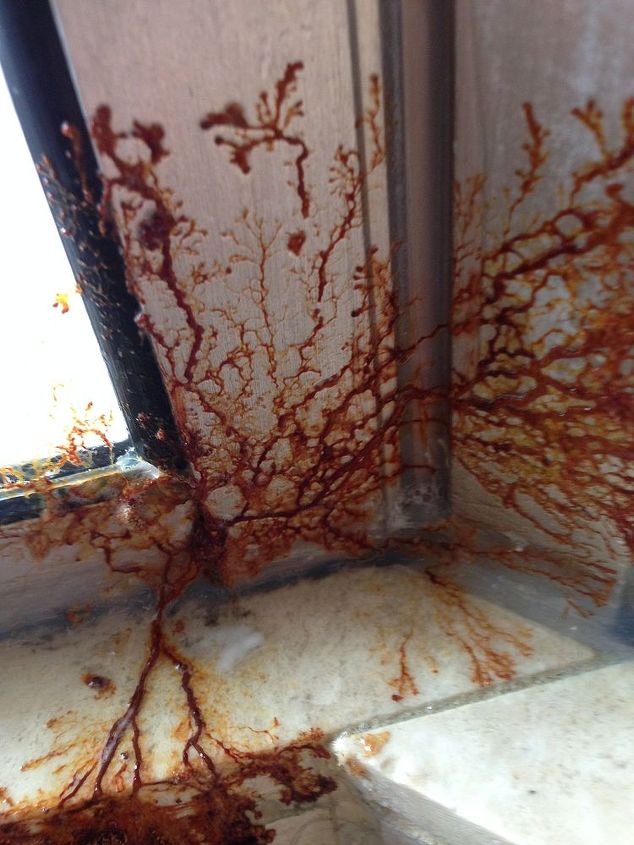
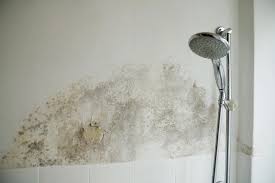
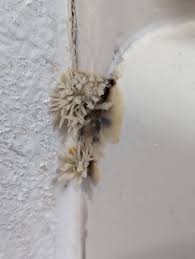

How Does That Even Happen?
For anything to grow, you need three basic ingredients: moisture, a food source, and a somewhat stable environment. Believe it or not, a poorly built shower can check all three boxes.
1. Constant Moisture
This is the big one. Showers get used daily, sometimes multiple times a day. If water is getting past the tile and grout—and it always will to some extent—it needs to be properly managed behind the scenes. Without a waterproofing system, that moisture seeps into the wall cavity and just… stays there.
Over time, you’ve got a damp, humid pocket behind the tile. Perfect breeding ground.
2. Organic Material (Food Source)
Drywall, wood studs, paper backing, even dust—these can all act as a food source for mold, mildew, and yes, even plant life under the right conditions. If there’s a small opening somewhere (like a gap near plumbing or an exterior wall), spores or seeds can make their way in.
From there, it doesn’t take much.
3. Lack of Airflow + Warmth
Behind a shower wall, you’ve got a dark, enclosed space that stays warm and damp—especially in a bathroom that sees regular use. That environment is surprisingly similar to a greenhouse… just hidden behind tile.
Put it all together, and you’ve got the potential for organic growth where you really don’t want it.
What It Looks Like in Real Life
Most of the time, homeowners don’t realize anything’s wrong until it gets (REAL) bad. Maybe there’s a musty smell that won’t go away. Maybe grout starts cracking or tiles feel loose. In more extreme cases, you might see staining or even small bits of organic material pushing through joints or gaps.
By the time you open the wall, the damage is already done. And yeah—sometimes that includes roots or plant growth making their way through the structure.
Where Things Go Wrong
Time to do a shameless plug!
This is what our YouTube series Roast & Remedy is all about. We react to common problems we encounter in the tile world and offer a solution based on tiling standards provided by the NTCA and TCNA.
Most of the time, the problem in showers is the lack of proper waterproofing.
Here’s the hard truth: tile and grout are not waterproof.
They’re water-resistant at best, but they are not your waterproofing system. If your shower was built with the mindset that tile alone is enough to stop water, it’s only a matter of time before moisture gets where it shouldn’t.
Why Waterproofing Actually Matters
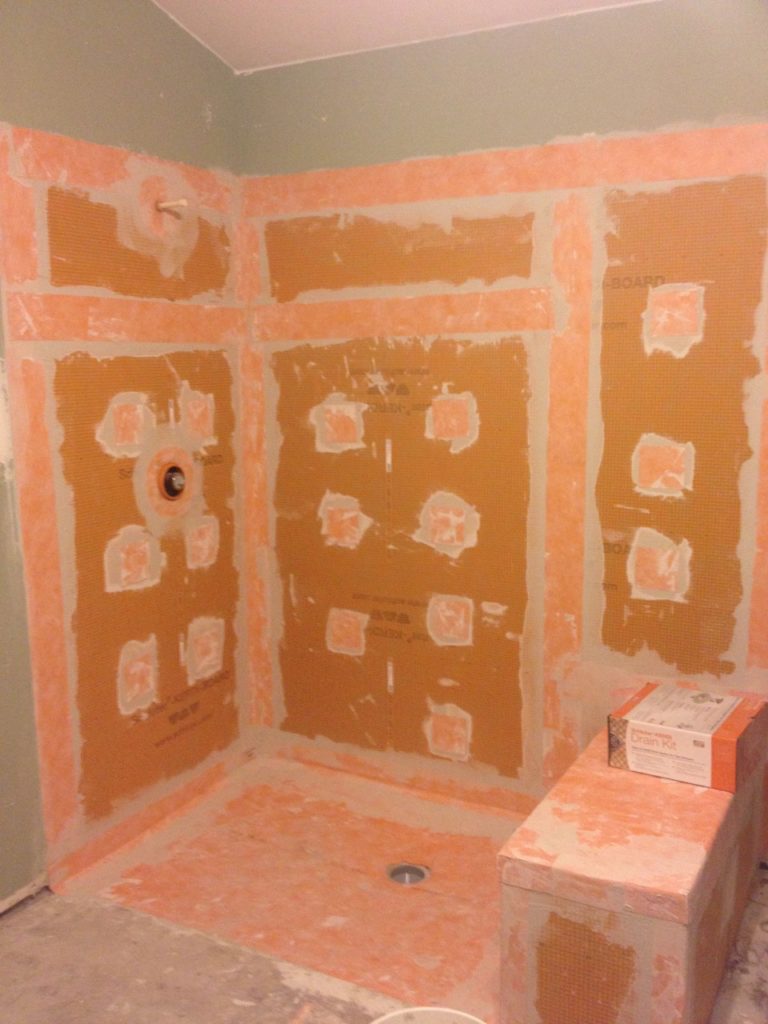
Waterproofing isn’t the flashy part of a shower build. You don’t see it when the job is done. But it’s the part that determines whether your shower lasts 2 years or 20.
A properly waterproofed shower creates a continuous barrier that directs water exactly where it’s supposed to go—down the drain, not into your walls.
That means:
- No moisture buildup behind the tile
- No mold or mildew growth
- No structural damage to framing
- And definitely no surprise garden growing behind your shower!!
It’s not just about avoiding weird scenarios—it’s about protecting the entire system!
We’ve written about this extensively, check out this article to expand on waterproofing.
Let’s Wrap It Up
If water gets behind your tile and has nowhere to go, it will cause problems. Sometimes that means mold. Sometimes it means rot. And sometimes, believe it or not, it means actual vegetation.
All of it comes back to the same root issue: lack of proper waterproofing.
So if you’re building or remodeling a shower, don’t cut corners on what’s behind the tile. You might never see it—but if it’s missing, it’ll come back to haunt you at some point!
Thanks for reading!
We appreciate your time. If you are interested in learning more, check out this article about waterproofing.
Or read one of our latest posts!
- The Two Biggest Mistakes We See on Tile Floors
- How to Shop for Tile: Three Things to Look at Before You Buy – #NoDecisionFatigue
- The #1 Biggest Mistake on Showers Usually Isn’t Something You Can See
- Is Marble a Good Choice for a Shower Floor?
- Does the Shower Wall Tile Need to Sit on Top of the Floor Tile?