
Spotting Water Damage in a Shower Before It Becomes Expensive
Water damage in a shower rarely starts with something dramatic. It usually begins with small, subtle signs that are easy to overlook — until they turn into costly repairs.
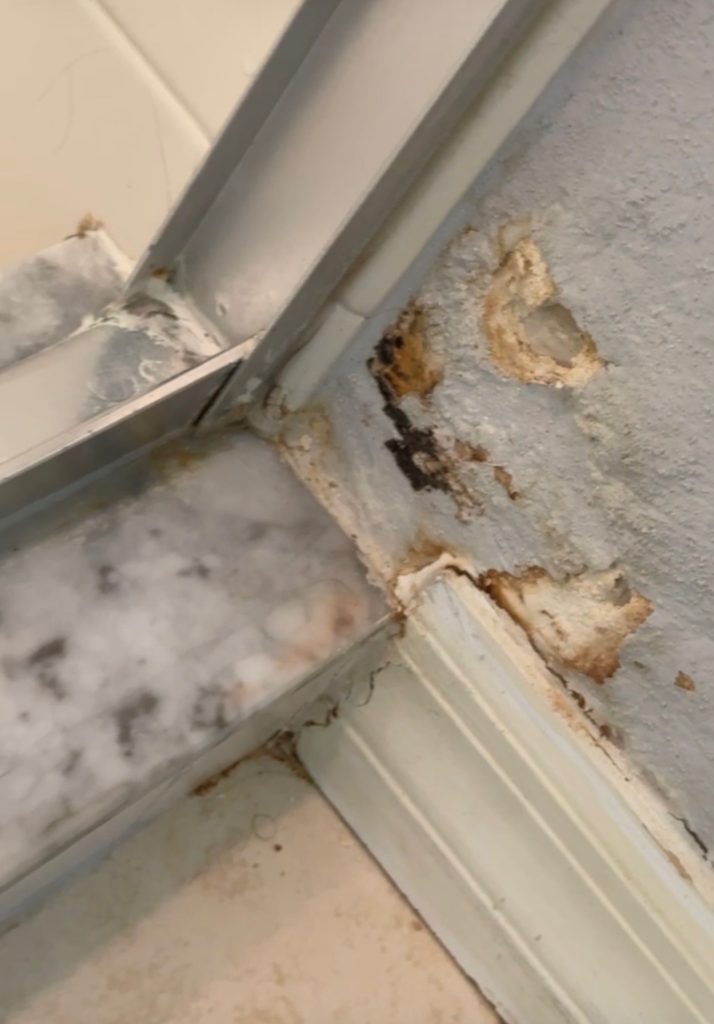
One of the first places professionals look when evaluating a shower is the transition where the floor tile meets the wall tile. That seam tells you more than most people realize.
If you notice slight discoloration along that joint, a small separation, cracking, or persistent dark grout lines near the perimeter, those are early indicators that moisture may be getting where it shouldn’t.
Tile and grout are not waterproof barriers. They are surface finishes. Water passes through grout lines — that’s normal. What protects the structure behind your shower is the waterproofing system beneath the tile. When that system is compromised, or when change-of-plane joints aren’t treated correctly, moisture begins to migrate.
And when moisture migrates, it leaves clues.
Why the Floor-to-Wall Seam Matters
The joint where the shower floor meets the wall is one of the most vulnerable areas in the entire installation.
This location experiences:
- Constant water exposure
- Structural movement
- Thermal expansion
- Cleaning product exposure
If that joint was grouted instead of sealed with a flexible sealant, it can crack as the building naturally shifts. Once that crack opens, water has a direct path behind the tile.
Over time, you may notice:
- Darkening grout at the perimeter
- Slight gaps forming
- Staining along the base of the wall
- Persistent damp appearance
These signs often appear long before major damage becomes visible outside the shower.
The Role of Proper Slope and Drainage
Another factor that contributes to perimeter water damage is improper slope.
A shower floor must be pitched correctly toward the drain. Even a subtle flattening near the edges can allow water to sit instead of flow. Standing moisture increases the likelihood of grout breakdown and joint failure at the wall-to-floor transition.
When water consistently sits at the perimeter, it accelerates wear in the most vulnerable joint in the shower.
According to industry standards from the Tile Council of North America (TCNA), proper slope and movement accommodation are essential for long-term performance in wet areas.
Without both, even a beautiful tile installation can fail prematurely.
Small Signs That Signal Bigger Problems
Homeowners often don’t notice anything until secondary damage appears — such as staining on a ceiling below, swelling baseboards, or soft drywall on the opposite side of the wall.
But the earlier signs usually include:
- Discoloration along seams
- Cracked or separating caulk
- Loose-feeling tile near the perimeter
- Persistent grout darkening
- Musty odors
These issues suggest moisture intrusion behind the tile assembly.
Catching these signs early can mean the difference between a minor resealing repair and a full shower rebuild.
Why Waterproofing Behind Tile Is Critical
It’s important to understand that tile itself does not stop water. The real protection comes from the waterproof membrane or system installed beneath it.
If the waterproofing wasn’t continuous — especially where the shower pan ties into the wall system — water can migrate behind the tile and into framing materials.
This is why seam inspection is so important. The visible surface often reveals what’s happening behind the scenes.
If you’d like a deeper understanding of grout behavior and how it impacts moisture control, this resource provides a detailed breakdown:
Understanding grout performance helps you identify issues sooner.
You can also click here to learn more about water damage from sir grout.
Conclusion
Shower failures rarely begin with dramatic leaks. They start with small visual changes at seams and transitions.
The wall-to-floor joint is the most telling area to inspect. Discoloration, cracking, separation, or persistent dampness should never be ignored.
Tile and grout are surface materials. Waterproofing and proper detailing are what protect your home. If you notice early warning signs, addressing them quickly can prevent structural damage, mold growth, and costly repairs.
When evaluating any shower — start with the seams. They usually tell the story first.