
Let’s talk about one of the most overlooked things when installing grout.
Slaking is the process of letting grout rest after mixing.
It’s a small step that many DIYers skip, but it can make a huge difference in how the grout performs long term — especially in a wet environment like a shower.
What Does “Slaking” Grout Mean?
Slaking is the resting period after grout is first mixed with water.
Most cement-based grouts require:
- Mixing the grout thoroughly
- Letting it sit for about 5–10 minutes
- Remixing it without adding more water
That resting period allows the cement, polymers, pigments, and other additives inside the grout to fully absorb the water and begin activating properly.
Think of it like letting dough or pancake batter rest before using it. The ingredients need time to stabilize.
Why Slaking Matters
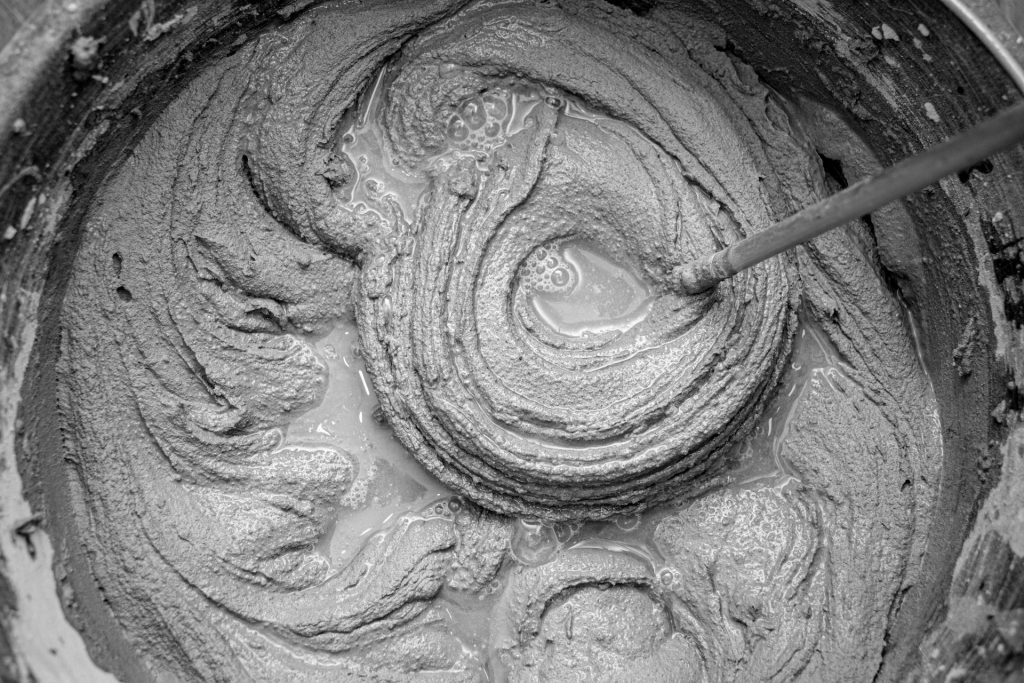
A lot of grout problems don’t come from the application itself — they actually start during mixing.
Skipping the slake time can affect the grout strength, durability and color consistency.
In a shower, where the grout is constantly exposed to moisture and temperature changes, those issues become even more noticeable.
1. letting your Grout Slake will help it Reach Full Strength
Cement-based grout relies on a chemical hydration process to cure properly.
When grout is used immediately after mixing some dry particles may not fully absorb water, polymers may not activate correctly and the cement structure can develop unevenly.
Allowing the grout to slake gives the ingredients time to fully hydrate before installation.
The result is stronger, denser grout joints that hold up better over time.
2. It Helps Prevent Cracking and Powdery Grout
One of the most common signs of improperly mixed grout is grout that becomes chalky, soft or crumbly.
Improper hydration can weaken the grout internally, even if it initially looks fine.
In showers, weak grout tends to fail faster because it’s exposed to constant moisture, cleaning chemicals and steam. Causing it to expand and contract.
Proper slaking helps the grout cure more evenly and reduces the chances of premature deterioration.
3. It Improves Color Consistency
Blotchy grout color is one of the biggest complaints homeowners have after a shower installation.
You’ve probably seen grout that dries lighter in some areas and darker in others.
Improper mixing and skipped slake time are often major contributors.
When grout is allowed to slake pigments distribute more evenly, moisture absorption becomes more consistent and the grout cures more uniformly.
That leads to a cleaner, more professional-looking finish.
4. It Makes the Grout Easier to Work With
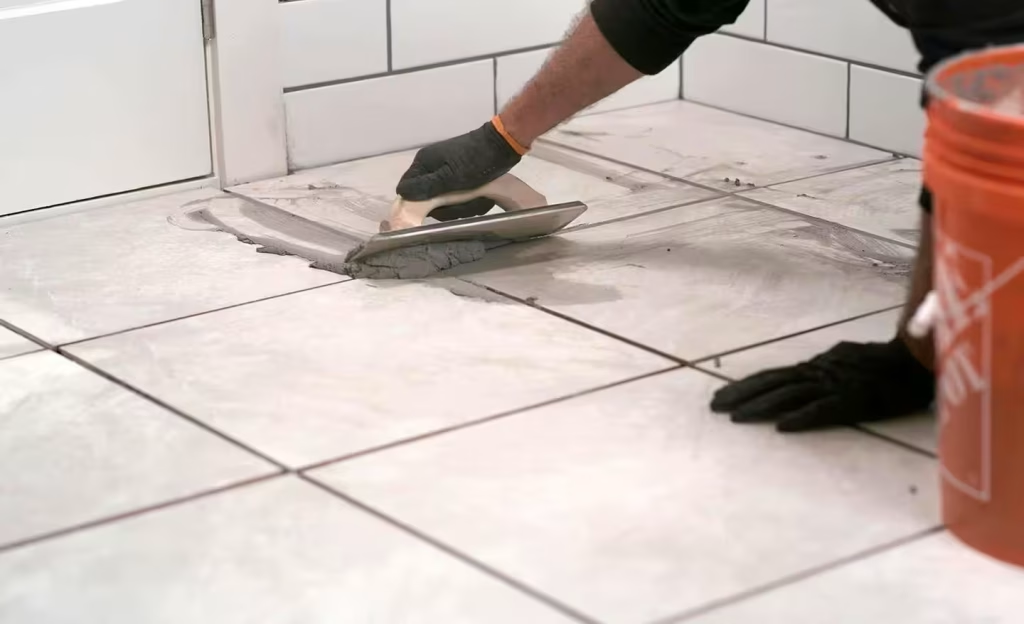
Freshly mixed grout can sometimes feel thick, grainy, stiff and it won’t spread easily.
After slaking and remixing, the texture usually becomes smoother and creamier.
That improved consistency helps installers fully pack joints, reduce air pockets, achieve cleaner grout lines, work more efficiently.
Good workability matters, especially on shower walls, mosaic floors, and detailed tile patterns.
5. It Prevents the “Add More Water” Mistake

A very common mistake is assuming grout is too thick immediately after mixing and adding extra water to loosen it up.
Usually, the grout simply hasn’t had time to slake yet.
Once the grout rests, it often loosens naturally as the ingredients absorb moisture properly.
Adding too much water instead can create cracks, weak grout joints and just reduce the overall durability of your grout install.
This is one reason professional installers carefully follow manufacturer mixing instructions instead of guessing by feel alone.
Why This Matters More in a Shower
Showers are one of the most demanding environments in tile installation.
in the environment grout will be exposed to, there will be:
- Daily (high) moisture exposure
- Heat and steam
- Cleaning products
- Movement from expansion and contraction
These are all the conditions that grout has to withstand!
Small mistakes during mixing may not show up immediately, but over time they can lead to discoloration, cracked grout, water intrusion issues, etc.
That’s why experienced tile installers pay close attention to every step of the mixing process — including slaking.
Take a Slake Break!
What’s the rush?!
Letting grout slake plays a major role in the quality and longevity of a tile shower installation.
Skipping it might save a few minutes up front, but it can create problems that last for years.
Thanks for reading!
If you enjoy this content, feel free to follow us on social media to learn more about grout and tile in general. We’ll bring you content every week-day on YouTube.
You can also keep reading! Click here to read more about grout.